
How Does A Bodily Injury Claim Work in Auto Injury
What is bodily Injury
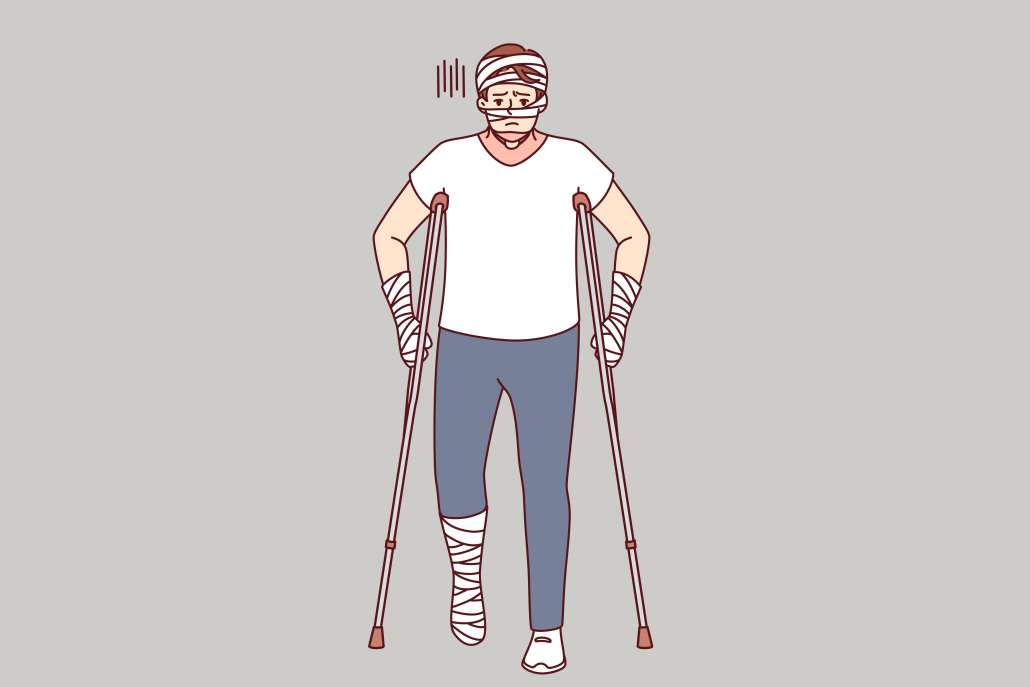
A bodily injury, as the term suggests, refers to any physical harm or injury sustained by a person as a result of an accident or incident. In the context of auto injuries, bodily injury typically pertains to any physical harm suffered by you or passengers in your vehicle due to a car accident. It can range from minor cuts and bruises to more severe injuries such as broken bones, concussions, or even long-term disabilities. Understanding whether your insurance policy covers bodily injury is crucial when navigating the claims process. Most auto insurance policies include bodily injury coverage, which provides financial protection for medical expenses and other related costs resulting from the accident. It is important to review your policy and fully comprehend the coverage limits and conditions associated with your bodily injury protection. After an accident, it is advisable to contact your insurance adjuster promptly. They will guide you through the claims process and answer any questions you may have regarding your bodily injury coverage. Be sure to inquire about specific details such as coverage limits, deductibles, and any exclusions that may apply.
Mistake: Failing to File a Police Report
Negotiating and Settling Your Claim
One of the most crucial steps in settling a bodily injury claim after a car accident is negotiating with the insurance company. While it may seem overwhelming, understanding the process and being prepared can greatly increase your chances of getting the compensation you deserve. To begin, it’s important to gather all the necessary information related to your accident. This includes all medical records, police reports, and any evidence of the other party’s negligence. This evidence will strengthen your case during negotiations. Next, it’s time to contact your insurance adjuster to discuss the details of your bodily injury claim. Be prepared with a list of questions to ask, such as the coverage limits of your policy. Also know what documentation is required to support your claim. It’s essential to provide accurate and detailed information to the adjuster to ensure a fair evaluation of your injuries and subsequent compensation. During the negotiation process, it’s crucial to remain assertive and persistent in advocating for your rights. Be prepared for potential pushback from the insurance company, as they may attempt to minimize your injuries or offer a lower settlement amount. In such cases, it may be necessary to consider filing a lawsuit to protect your interests. When filing a suit, it is advisable to seek legal representation from an experienced personal injury attorney. They will guide you through the complex legal procedures, ensuring all necessary paperwork is filed correctly and within the designated time frame. Your attorney will work diligently to build a strong case and present it in court, advocating for the maximum compensation you are entitled to. Remember, time is of the essence when it comes to settling your claim after a car accident. Most jurisdictions have specific time limits for filing a suit, typically measured in years. It’s crucial to take prompt action within these time limits to protect your rights and secure the medical coverage you deserve.
Feeling better after a bodily injury
Accurately documenting what was hurt is essential for a bodily injury claim. This is where a doctor trained in assessing for injuries after an accident can help. Dr. Gimbert has devoted years of training to help patients know how severe an injury may be. Our office along with our trusted team of referral partners can help you not only find what’s wrong, but also get you better as quickly as possible. Please reach out to find out how we can help you.

